


On Christmas Eve in 1800, an event unfolded that would change the landscape of chemistry and precious metals forever. English scientist William Hyde Wollaston secretly acquired a piece of nearly pure platinum ore, smuggled from the Spanish colony of Nueva Granada (modern-day Colombia), for a staggering £795—equivalent to over $23,000 today. Wollaston had high hopes for this ore, believing he could develop a new chemical process to transform the solid material into malleable platinum. However, the ore held secrets of its own, leading to the discovery of a rare metal previously unknown to science: rhodium.
Rhodium Metal: An Unexpected Discovery
Wollaston’s journey began in his backyard laboratory, where he meticulously dissolved the platinum ore. As he worked, he produced both soluble and non-soluble residues. To his surprise, the soluble solution yielded reddish salts, a color not typical of platinum. This anomaly piqued Wollaston’s curiosity, prompting him to investigate further. By 1803 and 1804, he announced the discovery of two new precious metals: palladium and rhodium.
Wollaston, who lived from 1766 to 1828, was a pioneer in powder metallurgy and is credited with isolating rhodium and palladium. His work laid the foundation for future advancements in the field of chemistry and metallurgy.
What Is Rhodium?
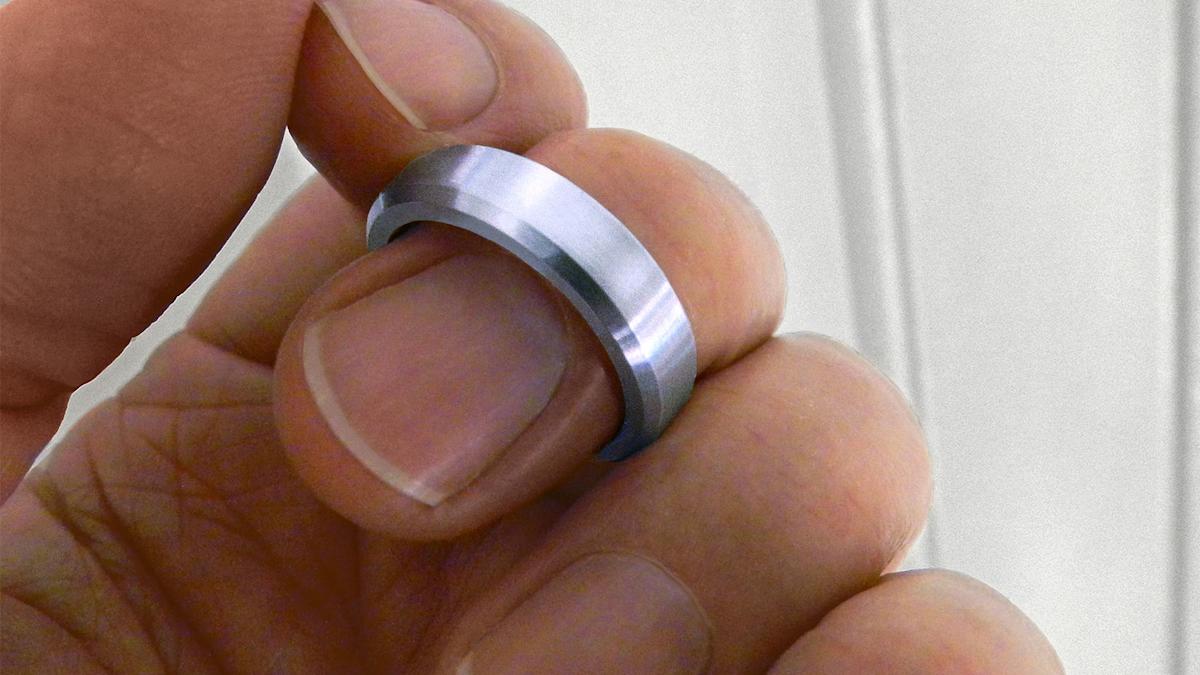
Rhodium is an ultra-shiny, corrosion-resistant metal that has become invaluable across various industries, including automotive, jewelry, chemical, and electrical sectors. According to Shaun Peterson, a supervisor at the Gemological Institute of America (GIA), rhodium’s scarcity and high demand, particularly in car manufacturing, contribute to its soaring prices. As of now, rhodium commands a staggering price of $14,000 per ounce, far surpassing platinum, palladium, and even gold.
Rhodium is rarely found in its pure form; it is typically extracted as a byproduct of refining platinum, copper, and nickel. The largest deposits of rhodium are located in South Africa, which boasts extensive platinum mining operations. Other sources include river sands in North and South America and copper-nickel sulfide ores in Ontario, Canada.
A Rose (Metal) by Any Other Name
Wollaston named one of the metals he discovered rhodium, derived from the Greek word “rhodon,” meaning rose, due to the reddish salts that dissolved during his experiments with aqua regia—a potent mixture capable of dissolving noble metals like gold and platinum. Rhodium is part of the platinum metals group (PGMs), which includes other precious metals known for their allure, workability, durability, and rarity.
Other Platinum Metals
The platinum metals group consists of six elements: platinum, palladium, rhodium, osmium, iridium, and ruthenium. These metals share similar characteristics and are often found together in nature. Their unique properties make them highly sought after, not just for their beauty but also for their industrial applications.
Rhodium Usually Isn’t Harmful (Unless You’re a Jeweler)
Since the 1930s, rhodium has been mined as a byproduct of platinum, particularly after significant deposits were discovered in South Africa. While there is no concrete evidence of harm to humans from rhodium, caution is advised, especially in jewelry making. The plating process can release harmful fumes, necessitating safety measures to prevent inhalation.
Interestingly, tests on plants suggest that rhodium is the least toxic member of the PGMs. However, due to its rarity, there has been little research on its effects on humans.
Rhodium Keeps Our Air Cleaner and Jewelry Brighter
Rhodium plays a crucial role in reducing harmful emissions from vehicles. Approximately 80% of rhodium produced is used in catalytic converters, which help break down nitrous oxide (NOx) emissions—pollutants released by fossil-fuel-powered vehicles. Without rhodium, the environmental impact of these emissions would be significantly worse.
In addition to its environmental benefits, rhodium is also prized in the jewelry industry. Its bright, silvery-white color and hypoallergenic properties make it an ideal choice for plating jewelry, enhancing its durability and resistance to scratches and corrosion.
It’s Not the Easiest Metal to Work With
Despite its desirable properties, rhodium is challenging to work with due to its extreme hardness and high melting point of 3,565 degrees Fahrenheit (1,963 degrees Celsius). As a result, jewelers often use rhodium as a plating over other metal alloys rather than as a primary material. The thin layer of rhodium can wear off over time, necessitating replating every one to two years for pieces that experience regular wear.
Conclusion
William Hyde Wollaston’s discovery of rhodium over 200 years ago has had a profound impact on both science and industry. From its critical role in reducing vehicle emissions to its aesthetic appeal in jewelry, rhodium has proven to be one of the most valuable precious metals on the planet. As we continue to explore and utilize this remarkable element, we owe a debt of gratitude to Wollaston for unveiling its secrets on that fateful Christmas Eve.
This article has been updated and fact-checked to ensure accuracy and relevance. Rhodium remains a fascinating subject of study, and its applications continue to evolve in our modern world.



 English