


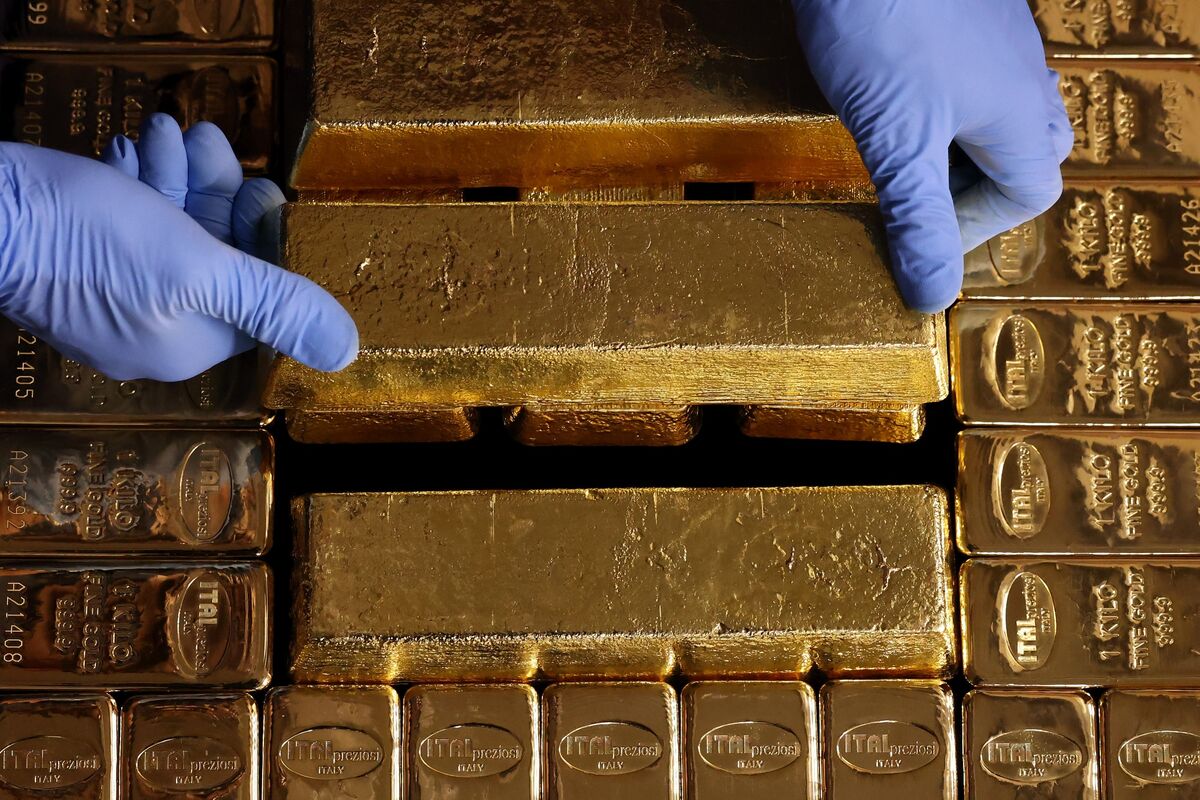
In recent trading sessions, gold has hovered near record highs, while platinum has experienced a remarkable rally, nearing the $2,000 per ounce mark. This surge can be attributed to softer-than-expected inflation data from the United States, which has significantly influenced market sentiment and investor behavior.
The Impact of US Inflation Data
The core US consumer price index (CPI) recently reported an unexpected slowdown in inflation, marking the slowest pace of increase since early 2021. This development has sparked optimism among investors, leading to a renewed interest in precious metals. Lower inflation rates typically signal a more favorable environment for gold and platinum, as these assets are often viewed as safe havens during economic uncertainty.
Federal Reserve’s Monetary Policy
The Federal Reserve’s monetary policy plays a crucial role in shaping the landscape for precious metals. Last week, the Fed implemented its third consecutive interest rate cut, a move that has provided a significant tailwind for gold and platinum prices. Lower interest rates diminish the opportunity cost of holding non-yielding assets like gold, making them more attractive to investors.
However, the Fed has been somewhat ambiguous regarding the pace of monetary easing moving into 2026. Traders are currently pricing in a roughly 25% chance of another rate cut in January, with expectations for a nearly certain reduction by April. This uncertainty surrounding future rate cuts adds a layer of complexity to the market, influencing trading strategies and investment decisions.
The Allure of Precious Metals
Gold and platinum have long been considered safe-haven assets, particularly during times of economic volatility. As inflation concerns rise and interest rates fluctuate, investors often flock to these metals as a hedge against potential downturns. The recent inflation data has reinforced this trend, prompting a surge in demand for both gold and platinum.
Platinum, in particular, has seen a breakneck rally, driven by a combination of factors including supply constraints and increased industrial demand. As industries such as automotive manufacturing ramp up their use of platinum in catalytic converters, the metal’s value has surged, attracting further investment interest.
Market Sentiment and Future Outlook
The current market sentiment is characterized by cautious optimism. Investors are closely monitoring economic indicators and the Federal Reserve’s actions, which will likely dictate the trajectory of gold and platinum prices in the coming months. The interplay between inflation, interest rates, and global economic conditions will remain pivotal in shaping market dynamics.
As traders navigate this complex landscape, the allure of precious metals continues to shine brightly. With gold trading near record levels and platinum nearing the $2,000 mark, the future of these assets appears promising, albeit with inherent risks.
Conclusion
In summary, the recent surge in gold and platinum prices can be attributed to softer-than-expected US inflation data and the Federal Reserve’s monetary policy. As investors seek refuge in precious metals amid economic uncertainty, the outlook for these assets remains optimistic. However, the evolving economic landscape and the Fed’s future decisions will play a critical role in determining their trajectory. As always, investors should remain vigilant and informed, ready to adapt to the ever-changing market conditions.



 English