


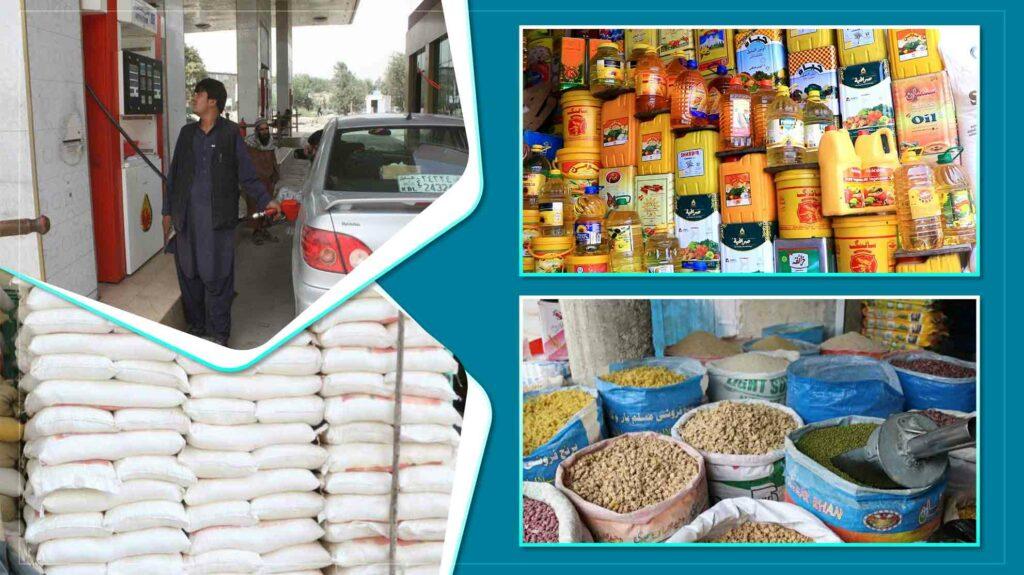
KABUL (Pajhwok) — The economic landscape of Kabul has seen notable shifts in the prices of essential commodities over the past week. While the prices of Pakistani rice, cooking oil, and gold have surged, Kazakh flour has experienced a decline. This article delves into the specifics of these changes, providing insights into the factors influencing the market.
Decline in Kazakh Flour Prices
According to Zmarai Safi, head of the Food Traders’ Association, the price of a 49-kilogram sack of Kazakh flour has decreased from 1,500 Afghanis (afs) to 1,470 afs. This decline is a welcome relief for consumers, especially given the rising costs of other staples. Retailer Hamid Sufizada noted that the retail price for the same sack is slightly higher at 1,520 afs, reflecting the typical markup in local markets.
Surge in Rice and Cooking Oil Prices
In stark contrast to flour, the prices of Pakistani rice and Malaysian cooking oil have seen significant increases. The cost of a 24-kilogram bag of Pakistani rice has jumped from 3,000 afs to 3,400 afs. Similarly, a 16-litre bottle of Malaysian cooking oil has risen from 2,100 afs to 2,150 afs. Safi attributed this hike in rice prices to the closure of trade routes with neighboring Pakistan, which has disrupted supply chains and led to shortages in Kabul markets.
Sugar and Tea Prices
The market for sugar and tea has remained relatively stable, with a 49-kilogram bag of Indian sugar priced at 2,400 afs. The cost of Indonesian green tea stands at 350 afs per kilogram, while African black tea is slightly higher at 380 afs. These prices indicate a consistent demand for these products, despite fluctuations in other commodities.
Gold Prices on the Rise
The jewelry market has also seen notable changes, with gold prices increasing significantly. Mohammad Fawad, a jeweler in the Timor Shahi area, reported that the price of one gram of Arabian gold has risen from 7,300 afs to 7,550 afs, while Russian gold has surged from 5,780 afs to 5,950 afs. Gold dealers attribute these fluctuations to changes in international markets, which directly impact local pricing.
Fuel Prices: A Mixed Bag
Fuel prices in Kabul have shown a slight decline, with petrol priced at 62 afs per litre and diesel at 63 afs. A worker at the Ahmadyar pump station noted that this decrease is linked to trends in the global market. However, the price of liquefied gas has risen to 54 afs per kilogram, attributed to higher international prices.
Currency Exchange Rates
In terms of currency, Haji Mohammad Hussain, owner of the Sadaqat Money Exchange Service, reported that one US dollar is trading for 66.20 afs, while 1,000 Pakistani rupees exchange for 225 afs. This represents a slight increase in the value of the afghani compared to the previous week, where one US dollar was valued at 66.30 afs. The strengthening of the afghani is largely linked to periodic dollar auctions conducted by the central bank.
Conclusion
The recent fluctuations in Kabul’s market reflect a complex interplay of local and international factors. While some commodities have seen price increases due to supply chain disruptions and international market trends, others have benefited from a decrease in costs. As the situation evolves, consumers and traders alike will need to stay informed about these changes to navigate the economic landscape effectively.



 English