


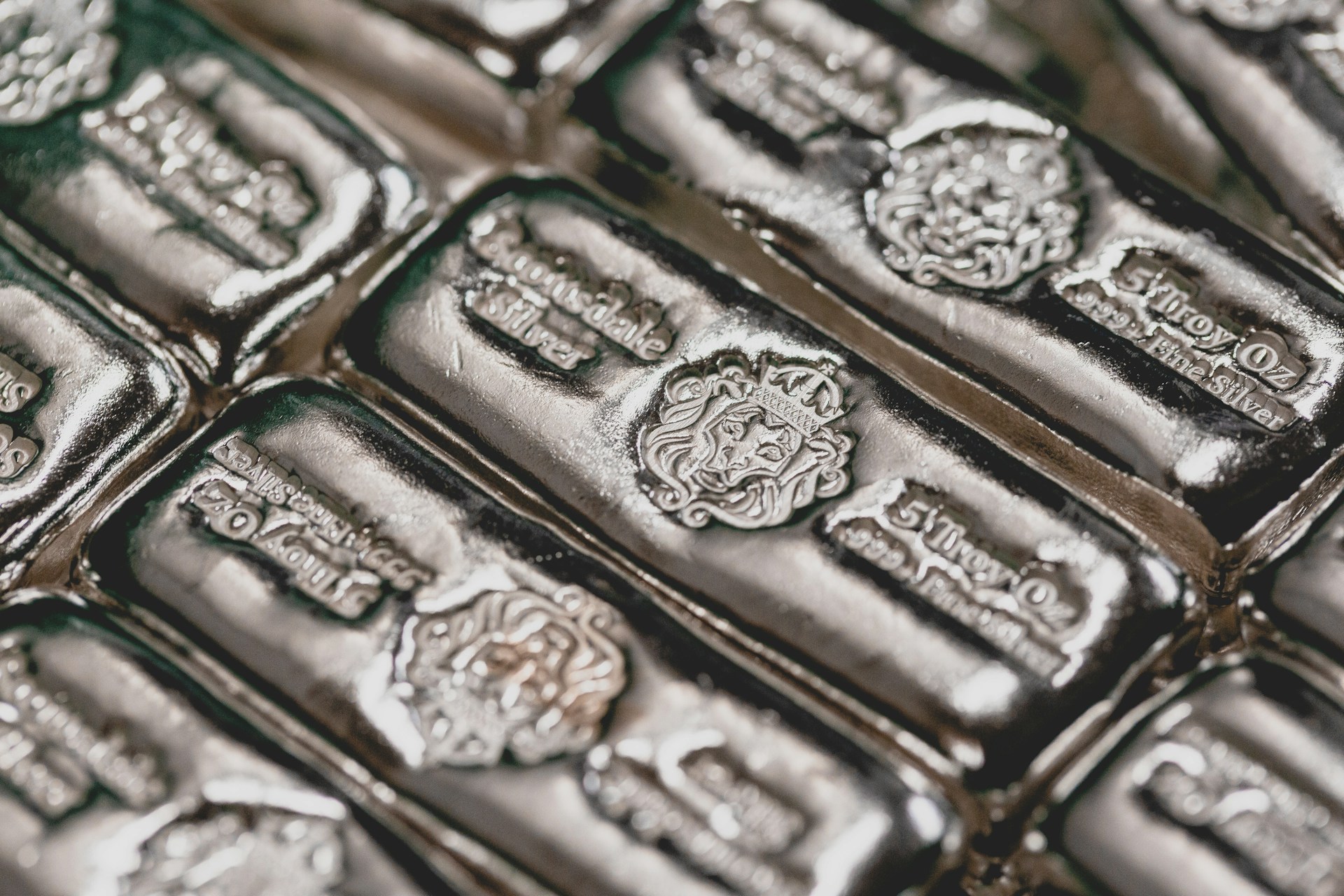
As investors sought additional exposure to precious metals following gold’s remarkable surge to record levels, silver emerged as a compelling alternative. In early 2025, silver prices soared above US$100 per ounce before retracing to the US$80 range. This volatility reflects a complex interplay of supply constraints, rising demand, and evolving market dynamics. With the global silver market projected to face its sixth consecutive year of supply deficit in 2026, the implications for investors are profound.
Silver’s Role in the Precious-Metals Hierarchy
Historically, safe-haven demand has concentrated on gold, which benefits directly from monetary uncertainty and geopolitical instability. Silver, however, occupies a unique position within the precious metals hierarchy, serving as both a monetary hedge and an industrial input metal. This dual identity means that when gold attracts defensive capital, silver often follows, albeit with heightened sensitivity to incremental flows due to its smaller market size.
In early 2025, as gold reached unprecedented heights, silver crossed the US$100 threshold, drawing renewed investor interest. The gold-to-silver ratio—a key measure of relative valuation—compressed below 50 for the first time since 2012, signaling a potential shift in market dynamics. Historically, such compressions have coincided with periods when silver begins to outperform gold, as capital rotates deeper into the precious metals complex in search of higher-beta exposure.
Supply Conditions & Physical Market Dynamics
Silver’s price sensitivity is intricately linked to persistent imbalances between production capacity and total demand. The market is expected to record its sixth consecutive annual supply deficit in 2026, with an estimated shortfall of 67 million ounces. This deficit arises when total demand—comprising industrial fabrication, physical investment, and jewelry—exceeds newly mined and recycled supply, necessitating reliance on existing above-ground inventories.
Global silver supply is forecasted to grow only 1.5% in 2026, primarily driven by incremental production increases in Mexico and a 7% rise in recycling activity as higher prices incentivize holders to monetize existing inventory. However, new mine supply remains structurally constrained, with approximately 70% of global silver production extracted as a by-product of base-metal mining. This means that supply responses to rising silver prices are governed more by the economics of primary metals than by silver prices alone.
Bringing a new underground silver mine into production typically requires seven or more years from discovery through permitting, feasibility, and construction. Even when prices justify new investment, supply responses take years to materialize. The interim reliance on above-ground inventories to bridge the annual deficit cannot persist indefinitely, and sustained drawdowns of those reserves could become a price-supportive signal.
Industrial Demand Across Technology Sectors
While investment flows drive near-term price cycles, silver’s long-term demand profile is increasingly shaped by technological applications. Silver’s exceptional electrical conductivity makes it the material of choice in advanced manufacturing sectors where performance tolerances leave limited room for substitution.
The build-out of artificial intelligence (AI) infrastructure has emerged as a significant new demand driver. Silver is utilized in electrical contacts, circuit boards, and thermal management systems within large-scale data centers, where managing heat generated by high-density processors is critical. As AI processing requirements continue to scale, the per-unit silver intensity in these systems is likely to increase.
The automotive sector also represents a well-documented demand driver. Electric vehicles (EVs) require significantly more silver per unit than internal combustion engine vehicles, due to silver’s use in power electronics, battery management systems, and charging infrastructure. Industry forecasts suggest that automotive silver demand could grow at a compound annual rate of 3.4% between 2025 and 2031, with EVs projected to become the dominant source of automotive silver consumption by 2027.
Project Economics, Cost Structures & Operational Positioning
In a supply-constrained market with a multi-year development lag, a company’s stage of development determines how directly it captures the current price environment. For instance, Americas Gold & Silver operates the Galena Complex in Idaho and the Cosalá operations in Mexico, with projected cash costs near US$9.60 per ounce and all-in sustaining costs (AISC) of approximately US$10.80 per ounce.
In contrast, Vizsla Silver is advancing the Panuco district in Sinaloa, Mexico, with proven and probable reserves of 170 million ounces of silver equivalent. The feasibility study outlines a post-tax net present value (NPV) of US$1.802 billion, with an internal rate of return (IRR) of 111.1%. The company is targeting a construction decision in H2 2026, with initial production expected in H2 2027.
Constraints & Risks Within the Silver Market
Despite the favorable supply-demand backdrop, several factors could disrupt silver’s current pricing trajectory. One significant risk is the trend of solar photovoltaic manufacturers reducing the amount of silver used per solar cell through thrifting. If this trend accelerates faster than new solar installations expand, industrial demand from this sector could decline, even as global renewable energy capacity grows.
Additionally, the reliance on above-ground inventories to bridge the annual supply deficit introduces another risk. Large-scale liquidation of stored bullion—whether from institutional holders, exchange inventory drawdowns, or government sales—could temporarily suppress prices, even when the underlying supply-demand balance remains in deficit.
The Investment Thesis for Silver
The current market dynamics present a compelling investment thesis for silver. The spillover from gold provides an established capital rotation pathway, as investors seeking diversification within precious metals have historically directed incremental allocations toward silver during gold’s rallies. Six consecutive years of projected supply deficits underscore the structural difficulty of bringing new silver production online, with above-ground inventories serving as a finite buffer that may become a price-supportive signal as it depletes.
Rising technology demand from AI infrastructure, electric vehicle adoption, and advanced battery research is expanding silver’s industrial footprint, diversifying the demand base beyond traditional monetary and jewelry applications. Producers with low AISC profiles and high-grade deposit configurations may experience significant operating margin expansion during periods of sustained price strength.
The central question remains: does the current repricing represent a durable structural shift or a volatility-driven rally anchored to gold sentiment? The answer will depend on the persistence of inventory drawdowns, the pace of technology-driven demand growth, and whether sustained higher prices can accelerate new project development.
TL;DR
Gold’s record-level rally in early 2025 compressed the gold-to-silver ratio below 50 for the first time since 2012, triggering capital rotation into silver as investors sought higher-beta precious-metal exposure. Silver crossed US$100 per ounce before retracing toward US$80, while the physical market moved toward its sixth consecutive annual supply deficit of 67 million ounces. Supply growth remains structurally constrained by the dominance of by-product mining and development timelines exceeding seven years. Industrial demand from electric vehicles, AI infrastructure, and advanced battery research is reinforcing the long-term demand base. Whether the current repricing evolves into a sustained bull cycle depends on the persistence of inventory drawdowns and the pace of technology-driven demand growth.
FAQs
Why does silver tend to follow gold during safe-haven rallies?
Silver serves as both a monetary asset and an industrial input metal. When gold attracts defensive capital, investors often rotate into silver for higher-beta exposure, given its smaller market size.
What is driving silver’s structural supply deficit?
Approximately 70% of global silver production is a by-product of base-metal mining, meaning supply does not respond directly to silver price signals. New primary silver mines require significant time to develop, leading to reliance on finite above-ground inventories.
How does industrial demand affect silver’s long-term price outlook?
Silver’s unique properties make it difficult to substitute in high-performance applications. Growing demand from electric vehicles and AI infrastructure is expanding silver’s industrial footprint, providing a structural demand base.
What is the gold-to-silver ratio and why does it matter to investors?
The gold-to-silver ratio indicates how many ounces of silver are needed to purchase one ounce of gold. A compressing ratio signals potential capital rotation into silver, making it an important metric for investors.
What risks could interrupt silver’s current repricing trajectory?
Key risks include the reduction of silver content in solar cells, potential liquidation of above-ground bullion stocks, and silver’s inherent price volatility, which can amplify both rallies and corrections.


 English