


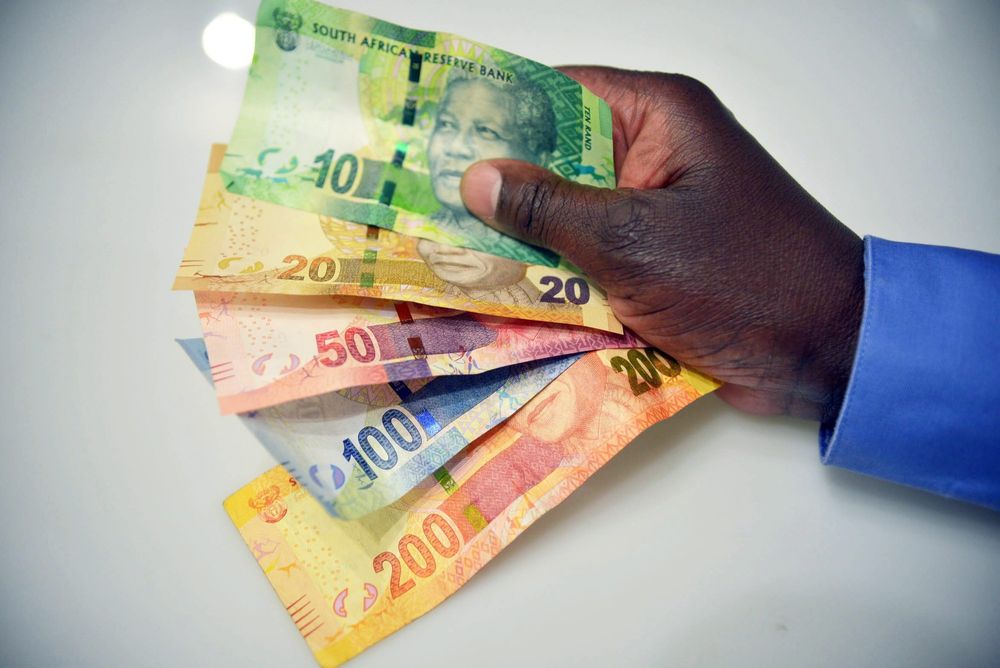
The ongoing conflict in Iran has sent ripples through global markets, particularly affecting the South African rand and other currencies in the Sub-Saharan region. Analysts at BMI, a Fitch Solutions company, have assessed the implications of this geopolitical tension, indicating that the rand faces neutral to weaker risks due to the conflict. However, rising gold prices may provide some support, offsetting the adverse effects of increasing energy import costs.
Disruption of Trade and Rising Energy Prices
The war in Iran has disrupted critical trade and shipping routes, leading to a surge in oil and gas prices. South Africa, heavily reliant on imports for these commodities, is particularly vulnerable. As energy costs rise, the economic strain on consumers and businesses intensifies, potentially leading to inflationary pressures. The situation is further complicated by the fact that the impact of these rising costs will not be uniform across the region; while some countries may benefit, others will face significant challenges.
The Rand’s Position: Neutral to Weaker Risks
BMI analysts have characterized the balance of risks for the rand as “neutral to weaker.” This assessment stems from the understanding that South Africa is a net importer of oil, meaning that rising crude prices will likely lead to depreciatory pressures on the currency. The analysts note that risk-off sentiment in the market could exacerbate these pressures, especially given the rand’s status as a bellwether emerging-market asset.
Gold Prices: A Silver Lining?
Despite the challenges posed by rising energy costs, there is a glimmer of hope for South Africa in the form of higher gold prices. Local gold producers, such as Pan African Gold, Harmony Gold, and Sibanye-Stillwater, have reported increased revenues due to the uptick in gold prices. This positive trend could provide some cushion against the economic fallout from rising energy costs. However, BMI cautions that the benefits of higher gold prices may be offset by the escalating costs of imported energy.
Political Risks and Foreign Demand
The historical ties between South Africa and Iran add another layer of complexity to the situation. As tensions escalate, South Africa’s relationship with the United States may become strained, leading to increased political risks. This could weigh heavily on foreign demand for South African assets, further complicating the economic landscape.
Regional Implications: A Mixed Bag
The effects of the Iran conflict extend beyond South Africa. In Nigeria, for instance, a sustained rise in global oil prices could benefit the naira, given the country’s substantial domestic oil refining capacity. However, a flight to safe-haven assets could deter portfolio inflows, which have been crucial for Nigeria’s improved external buffers in recent quarters.
Conversely, non-oil exporters like the Democratic Republic of the Congo (DRC) and Mauritius are expected to face vulnerabilities linked to rising energy import costs. Zimbabwe has already responded to the situation by hiking fuel prices, reflecting the immediate impact of the conflict on consumers.
Currency Vulnerabilities Across the Region
Countries with strained external positions and significant currency overvaluation are at the highest risk of weakness in the event of an escalated US-Iran conflict. The Zambian kwacha, for example, is likely to weaken as rising energy prices inflate the import bill and reignite domestic foreign exchange liquidity pressures. While Zambia has seen increased foreign demand for its assets, renewed risk aversion could lead to capital outflows, further exerting pressure on the kwacha.
Conclusion: Navigating Uncertain Waters
As the situation in Iran continues to evolve, the implications for the South African rand and other regional currencies remain uncertain. While higher gold prices may offer some support, the overarching trend of rising energy costs poses significant challenges. Policymakers and businesses must navigate these turbulent waters carefully, balancing the immediate economic pressures with long-term strategies for resilience. The geopolitical landscape is ever-changing, and its impact on local economies will require vigilant monitoring and adaptive responses.



 English