


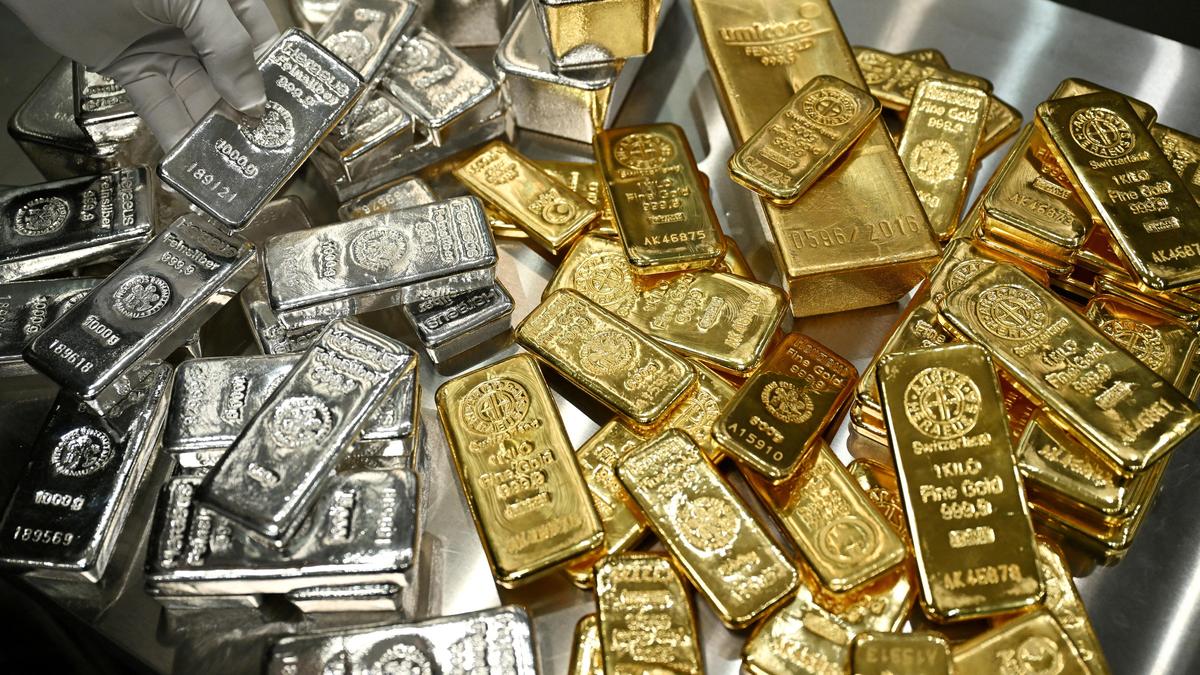
On March 23, 2026, the domestic market witnessed a dramatic decline in the prices of precious metals, with gold and silver both plummeting by over 7%. This sharp fall is a reflection of a complex interplay of global economic conditions, rising interest rate expectations, and escalating geopolitical tensions, particularly in West Asia.
The Market Reaction
Gold prices opened at ₹1,40,158 but quickly fell to ₹1,29,595 during trading, marking a significant drop. Silver followed suit, trading at ₹2,09,797 per kg after hitting a low of ₹1,99,643. This volatility indicates a market grappling with uncertainty, as investors reassess their positions in light of shifting economic indicators.
Geopolitical Tensions and Economic Concerns
The backdrop of this decline is the ongoing tensions in West Asia, particularly the U.S.-Israel conflict with Iran. Colin Shah, Managing Director of Kama Jewellery, emphasized that these geopolitical issues have disrupted oil supplies, leading to a rise in crude oil prices. This situation is perceived as an inflationary trigger, prompting central banks to adopt a more cautious approach. As inflation concerns mount, expectations for rising interest rates have intensified, further impacting investor sentiment.
The Role of the U.S. Dollar
A strengthening U.S. dollar has also played a crucial role in shifting investor interest away from precious metals. As the dollar gains strength, gold and silver become less attractive to investors, particularly those holding currencies that are weaker in comparison. This dynamic has contributed to the sharp decline in prices, as investors seek more stable returns in a fluctuating market.
Inflation and Interest Rate Expectations
Market analysts have pointed to rising inflation concerns as a significant factor in the recent price drop. Manav Modi, a Commodities Analyst at Motilal Oswal Financial Services, noted that the combination of escalating geopolitical tensions and the potential for prolonged disruptions in global energy supply has heightened fears of inflation. The expectation that sustained high oil prices could compel central banks to adopt a more hawkish stance has diminished the appeal of non-yielding assets like gold.
The shift in interest rate expectations has been particularly noteworthy. Earlier, markets were pricing in multiple rate cuts; however, the current sentiment has shifted to a pause in cuts and even a small probability of a rate hike. This change reflects a growing recognition of the economic pressures at play, further influencing investor decisions.
Conclusion
The sharp decline in precious metal prices on March 23, 2026, serves as a stark reminder of how interconnected global economic conditions, geopolitical tensions, and monetary policy can impact investor sentiment. As the situation in West Asia continues to evolve and inflation concerns remain at the forefront, the precious metals market will likely remain volatile. Investors will need to stay vigilant, adapting to the rapidly changing landscape shaped by these multifaceted factors.
In summary, the recent plunge in gold and silver prices underscores the importance of understanding the broader economic context, as well as the intricate dynamics that drive market behavior. As we move forward, the interplay between geopolitical events, inflation, and interest rates will continue to shape the investment landscape for precious metals.



 English