


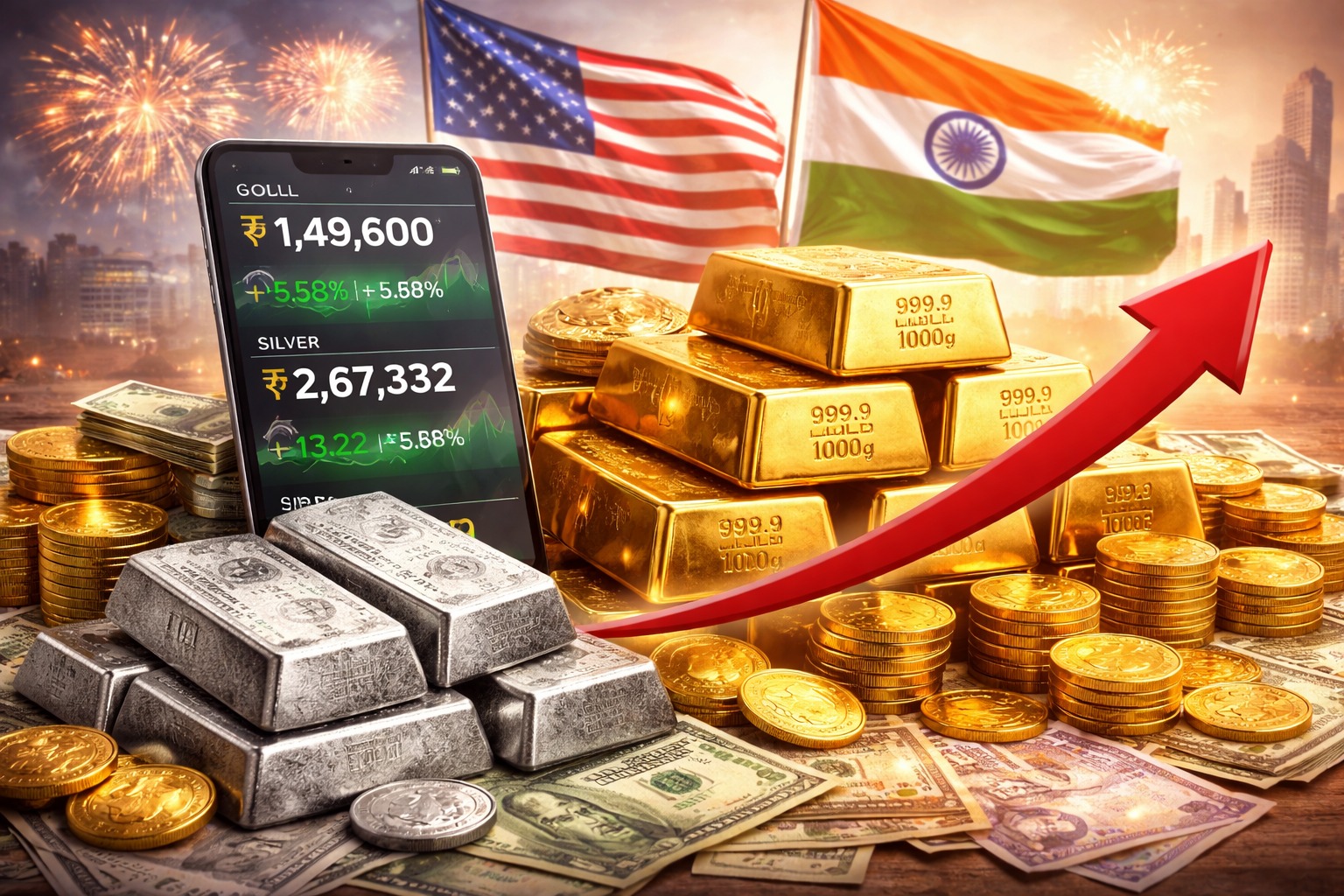
In recent weeks, the precious metals market has experienced a significant surge, particularly in gold and silver prices. This upward trend has been largely attributed to a new economic deal between India and the United States, which has sent ripples through global markets. In this article, we will explore the implications of this deal, the factors driving the surge in gold and silver prices, and what investors should consider moving forward.
Understanding the India-US Deal
The recent economic agreement between India and the United States is a multifaceted initiative aimed at enhancing trade relations, boosting investment, and fostering technological collaboration. This deal is expected to create a more favorable environment for businesses in both countries, leading to increased economic activity. As a result, investors are closely monitoring how this agreement will impact various sectors, particularly commodities like gold and silver.
The Impact on Gold and Silver Prices
Gold and silver are often viewed as safe-haven assets, especially during times of economic uncertainty. The announcement of the India-US deal has led to a surge in demand for these precious metals. Investors typically flock to gold and silver when they anticipate inflation or geopolitical tensions, and the current economic climate has heightened these concerns.
Factors Driving the Surge
Inflation Concerns: With the global economy still recovering from the pandemic, inflation rates have been a significant concern. The India-US deal is expected to stimulate economic growth, but it may also lead to increased inflationary pressures. As a result, investors are turning to gold and silver as a hedge against inflation.
Geopolitical Tensions: The geopolitical landscape remains volatile, with various global conflicts and trade disputes. In such uncertain times, gold and silver often serve as a refuge for investors seeking stability.
Currency Fluctuations: The strength of the US dollar plays a crucial role in the pricing of gold and silver. As the dollar weakens, the prices of these metals tend to rise. The India-US deal may influence currency markets, further impacting precious metal prices.
What Investors Should Consider
As gold and silver prices continue to rise, investors must carefully evaluate their strategies. Here are some key considerations:
Diversification
Investors should consider diversifying their portfolios to mitigate risks. While gold and silver can provide a hedge against inflation and economic uncertainty, it’s essential to balance these investments with other asset classes, such as stocks and bonds.
Long-Term vs. Short-Term Investment
Investors need to determine their investment horizon. For those looking for short-term gains, the current surge in gold and silver prices may present an opportunity. However, long-term investors should consider the fundamentals of the precious metals market and the potential for sustained growth.
Monitoring Economic Indicators
Keeping an eye on economic indicators, such as inflation rates, interest rates, and geopolitical developments, is crucial for making informed investment decisions. The dynamics of the India-US deal will also play a significant role in shaping the market landscape.
Consulting Financial Advisors
Given the complexities of the current market, consulting with financial advisors can provide valuable insights. They can help investors navigate the intricacies of investing in precious metals and develop tailored strategies based on individual risk tolerance and financial goals.
Conclusion
The recent surge in gold and silver prices, driven by the India-US economic deal, presents both opportunities and challenges for investors. By understanding the factors influencing this market and considering strategic investment approaches, individuals can position themselves to benefit from the evolving landscape of precious metals. As always, staying informed and adaptable will be key to navigating the complexities of the investment world.



 English