


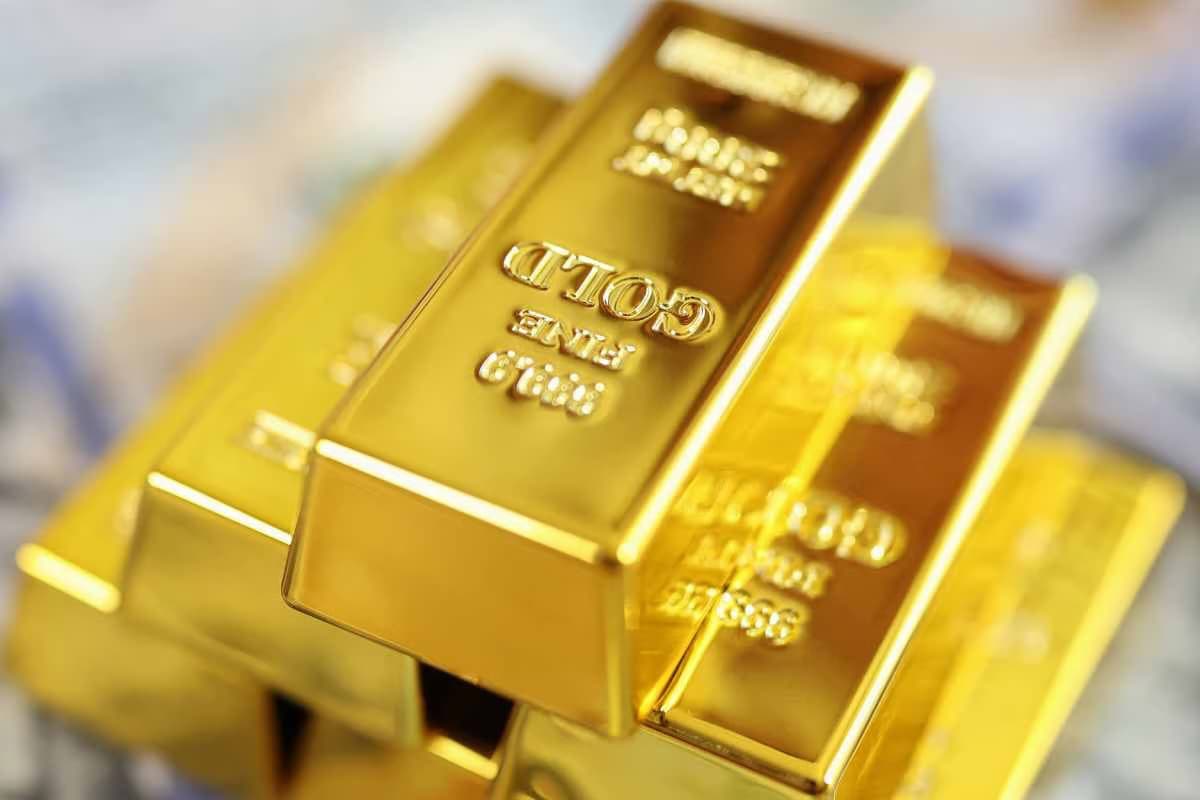
The world of precious metals has always been a topic of intrigue and speculation, particularly gold, which has long been viewed as a safe haven for investors. Recent analyses suggest that gold prices in India could soar to Rs 2 lakh per 10 grams by the end of 2026. This projection raises several questions about the factors driving this potential increase, the implications for investors, and the broader economic context.
Understanding the Current Gold Market
As of now, gold prices fluctuate based on various factors, including global economic conditions, inflation rates, and currency strength. In India, gold is not just a commodity; it holds cultural significance and is often associated with wealth and prosperity. The current price trends indicate a steady increase, driven by both domestic demand and international market dynamics.
Factors Influencing Gold Prices
1. Global Economic Uncertainty
Economic instability often leads investors to seek refuge in gold. With ongoing geopolitical tensions, trade wars, and the lingering effects of the COVID-19 pandemic, uncertainty in global markets is likely to persist. Such conditions typically drive up the demand for gold, pushing prices higher.
2. Inflation and Currency Fluctuations
Inflation erodes the purchasing power of currency, making gold an attractive alternative. As central banks around the world adopt loose monetary policies, concerns about inflation are growing. If inflation rates continue to rise, the demand for gold as a hedge against inflation will likely increase, contributing to higher prices.
3. Supply Chain Disruptions
The supply of gold can also be affected by mining challenges and geopolitical issues in gold-producing countries. Any disruptions in supply can lead to increased prices, especially if demand remains strong. Countries like Russia and China play significant roles in the global gold supply, and any instability in these regions can have a ripple effect on prices.
Implications for Investors
1. Investment Strategy
For investors, the potential rise in gold prices presents both opportunities and challenges. Those looking to invest in gold should consider diversifying their portfolios to include gold-related assets, such as ETFs or mining stocks. Understanding the market trends and economic indicators will be crucial in making informed investment decisions.
2. Cultural Significance in India
In India, gold is not merely an investment; it is deeply embedded in cultural practices. Festivals, weddings, and rituals often involve gold purchases, which can further drive demand. As prices rise, consumers may need to reassess their purchasing strategies, balancing cultural traditions with financial prudence.
The Broader Economic Context
1. Government Policies
Government policies regarding gold imports and taxation can significantly impact prices. Any changes in import duties or regulations can affect the supply chain and, consequently, the market price. Investors should stay informed about policy changes that could influence the gold market.
2. Technological Advancements
Advancements in technology, particularly in mining and refining processes, could also play a role in shaping the future of gold prices. More efficient extraction methods could increase supply, potentially stabilizing prices. However, this would depend on the balance between supply and demand.
Conclusion
The projection that gold prices could reach Rs 2 lakh per 10 grams by the end of 2026 is a reflection of various interconnected factors, including economic uncertainty, inflation, and cultural significance. For investors, this presents both opportunities and challenges. Staying informed about market trends and understanding the broader economic context will be essential for navigating the future of gold investments. As we look ahead, the allure of gold as a safe haven continues to shine brightly, making it a focal point for both investors and consumers alike.



 English