


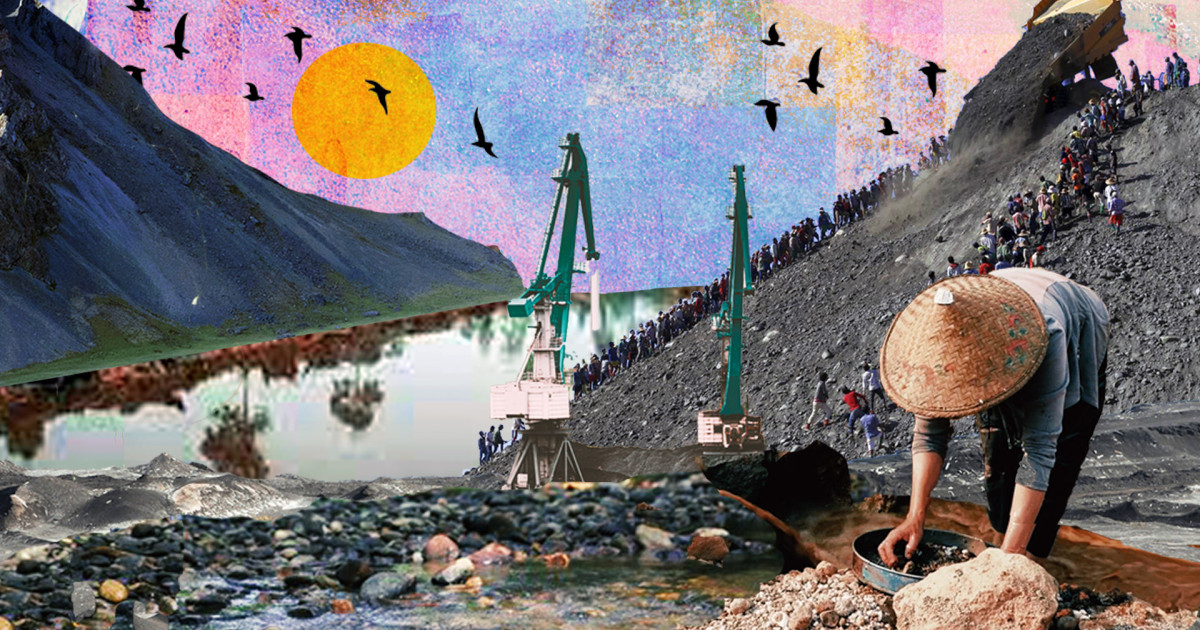
Artisanal mining is a multifaceted phenomenon that varies significantly across different regions and communities. While it can serve as a vital livelihood option for many, it also raises concerns about exploitation, environmental degradation, and social justice. This article delves into the diverse contexts of artisanal mining, particularly in the Andean region and Myanmar, exploring the political, economic, legal, and social factors that influence its sustainability and the livelihoods it provides.
Understanding Artisanal Mining
Artisanal and small-scale mining (ASM) is characterized by informal and often unregulated mining practices. Globally, it employs approximately 20 million people and contributes about 20% of the gold supply to international markets. However, the sector is often overlooked, particularly regarding the participation of women. In many regions, women constitute a significant portion of the workforce, yet their contributions remain underreported and undervalued.
The Role of Women in Artisanal Mining
In the Andean countries of Colombia, Ecuador, and Peru, women play a crucial role in artisanal mining. Research indicates that women can make up to 50-60% of the mining workforce, particularly in more traditional and artisanal methods. These women, often referred to by various local terms such as barriqueras in Colombia and pallaqueras in Peru, face unique challenges. They frequently operate in informal settings without recognition or support from the state, which often fails to account for their contributions in mining cadastres.
Moreover, women are disproportionately affected by the environmental hazards associated with mining, such as mercury exposure. This toxic substance is commonly used in gold processing and can have dire health implications, especially when women bring these materials into their homes due to caregiving responsibilities. Addressing these issues requires targeted funding, training, and resources to ensure that women can engage in mining safely and sustainably.
Indigenous Perspectives on Mining
Indigenous communities in the Andes often have a complex relationship with mining. Contrary to the stereotype that indigenous peoples uniformly oppose mining, many communities incorporate it into their territorial projects. They view mining not merely as an economic activity but as part of a broader vision for their lands that includes conservation and environmental stewardship.
Indigenous territories are not simply defined by geographical boundaries; they encompass a web of relationships and cultural practices. This understanding challenges the state’s often simplistic approach to land allocation, which can disregard the intricate social and environmental dynamics at play. By recognizing the “rights of difference,” we can appreciate how artisanal mining can align with indigenous governance and territorial rights, offering opportunities for both economic development and environmental justice.
The Situation in Myanmar: A Different Landscape
In Kachin State, Myanmar, the artisanal mining landscape presents a different set of challenges and dynamics. Here, mining activities include jade, amber, gold, and rare earth minerals, each requiring varying levels of investment and technology. While gold mining can be artisanal, the extraction of jade and amber typically necessitates significant capital and machinery, limiting the scope for informal practices.
Artisanal mining in Kachin State serves as a supplementary livelihood for many, particularly in highland areas where agriculture is challenging. However, the political landscape has shifted dramatically since the military coup in 2021. The military’s control over mining concessions has marginalized local communities, disrupting traditional land rights and transforming artisanal miners into low-wage laborers in capitalist mine sites.
This shift has profound implications for local livelihoods. Previously, artisanal miners operated independently, but the current environment forces them into exploitative conditions that threaten their economic stability. The Kachin Independence Organization (KIO), which has taken on state-like functions in the region, is also impacted by these changes, as the need for funding intensifies the pressures on local mining practices.
Environmental and Social Implications
Artisanal mining is often associated with significant environmental challenges, including deforestation, soil erosion, and water contamination. The use of toxic substances like mercury exacerbates these issues, posing health risks to miners and surrounding communities. Addressing these environmental concerns requires a multifaceted approach that includes regulatory frameworks, community engagement, and sustainable practices.
Socially, the dynamics of artisanal mining can lead to conflicts over land rights and resource management. The marginalization of women and indigenous communities highlights the need for inclusive policies that recognize and support the diverse stakeholders involved in artisanal mining. Empowering these groups through education, training, and access to resources can help create a more equitable and sustainable mining sector.
Conclusion: Towards Sustainable Artisanal Mining
The future of artisanal mining lies in recognizing its complexities and addressing the diverse needs of the communities involved. By fostering inclusive policies that consider the unique challenges faced by women and indigenous peoples, we can create pathways for sustainable livelihoods. This involves not only providing adequate resources and training but also respecting the rights of communities to govern their territories.
Artisanal mining has the potential to be a source of economic empowerment and environmental stewardship, but it requires a concerted effort from governments, NGOs, and the private sector to ensure that it contributes positively to the lives of those who depend on it. As we navigate the intricate landscape of artisanal mining, it is crucial to prioritize social justice, environmental sustainability, and the voices of those most affected by these practices.



 English