


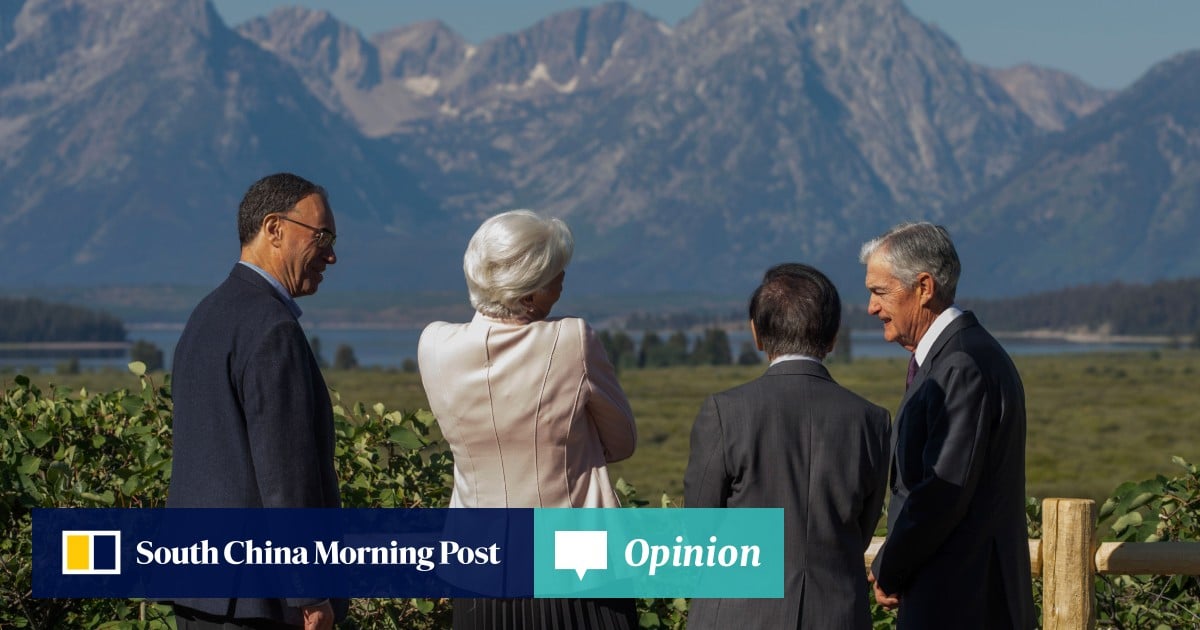
Central bankers are often referred to as the “high priests of finance,” a title that reflects their pivotal role in managing a nation’s monetary policy and financial stability. They wield significant influence over the economy by controlling high-powered money, also known as the monetary base. This monetary base comprises the sum of currency in circulation and commercial bank deposits held at the central bank. Through their actions, central bankers shape market sentiment, influence interest rates, and ultimately impact economic growth and employment.
The Mechanics of Monetary Control
Central banks have a unique ability to influence liquidity in the financial system. By purchasing government bonds from banks or the market, they expand their balance sheets, which in turn increases the reserves of commercial banks. This influx of reserves enhances market liquidity, leading to a reduction in short-term interest rates. The process is often referred to as quantitative easing (QE), a strategy employed to stimulate economic activity during periods of stagnation.
When central banks engage in QE, they buy long-term bonds, which lowers their yields. The increased liquidity in the market further drives down short-term rates, effectively altering the entire interest rate curve. This manipulation of interest rates has profound implications for asset prices, borrowing costs, and overall economic activity. Conversely, when central banks tighten liquidity, interest rates rise, which can dampen economic growth and affect job creation.
The Role of Central Banks in Economic Stability
Central banks are tasked with implementing monetary policy to maintain price stability and financial stability. This role has evolved into a highly technical and professional endeavor, often requiring a degree of operational autonomy from political influences. However, the degree of independence varies across countries, and in some cases, central banks face pressure from governments to adopt policies that may not align with long-term economic stability.
Historically, the first central bank was established in Sweden in 1668, primarily to finance government operations and manage the clearing house for banks. In those early days, the currency was pegged to gold, and central banks operated under a simple rule: no gold, no monetary creation. This framework limited the ability of governments to run large deficits, as they were constrained by their gold reserves.
The Dilemma of Debt and Interest Rates
As governments recognized the potential of central banks to finance substantial deficits, the dynamics of monetary policy began to shift. Central banks could now create money to fund government spending, but this came with the risk of inflation. High levels of public debt can lead to unsustainable fiscal burdens, particularly when interest rates rise. Governments often find themselves in a precarious position, balancing the need for economic stimulus with the imperative to maintain fiscal discipline.
William McChesney Martin, the former chairman of the U.S. Federal Reserve, famously described the central banker’s role as “taking away the punchbowl just as the party gets going.” This metaphor encapsulates the challenge faced by central bankers: they must often deliver unwelcome news about the need for fiscal tightening, even when economic conditions appear favorable.
The Modern Central Bank: A Balancing Act
In today’s complex economic landscape, central banks must navigate a myriad of challenges. The rise of globalization, technological advancements, and shifting market dynamics have all contributed to an increasingly intricate financial environment. Central bankers must remain vigilant, adapting their strategies to address emerging risks while maintaining their core objectives of price and financial stability.
Moreover, the recent trend of de-dollarization and the pivot towards alternative currencies, such as the Chinese yuan, adds another layer of complexity to the central banking landscape. As global investors reassess their positions in the face of changing geopolitical dynamics, central banks must be prepared to respond to shifts in market sentiment and investor behavior.
Conclusion
Central bankers, as the high priests of finance, hold a unique and powerful position in the global economy. Their ability to control the monetary base and influence interest rates makes them key players in shaping economic outcomes. As they strive to maintain stability in an ever-evolving financial landscape, the challenges they face are both significant and multifaceted. Ultimately, their decisions will continue to have far-reaching implications for economies, markets, and the lives of individuals around the world.



 English