


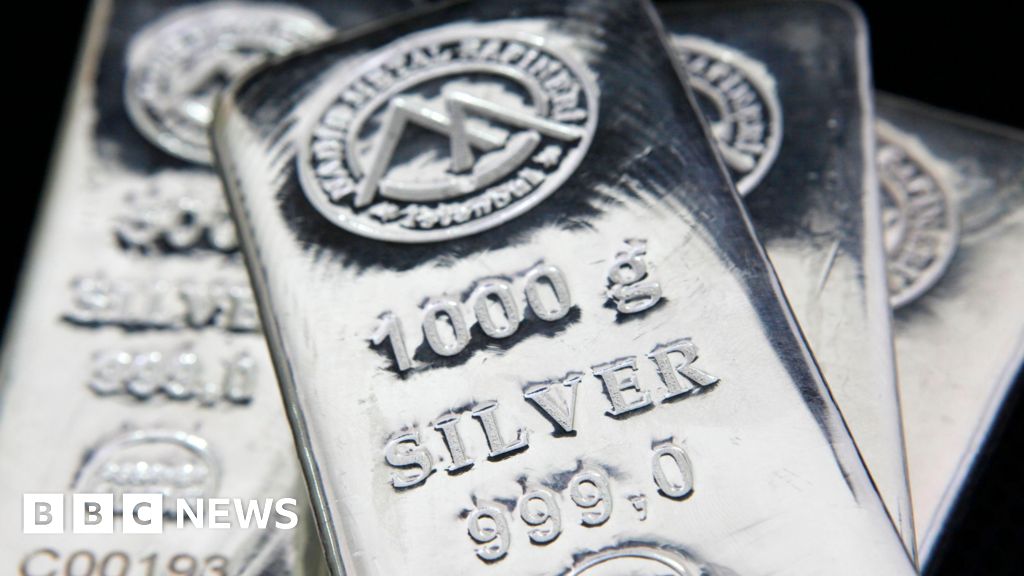
The price of silver has recently soared to unprecedented heights, crossing the $60 mark per ounce on the spot market for the first time. This surge is attributed to a combination of anticipated interest rate cuts by the US Federal Reserve and robust demand from the technology sector. As investors flock to precious metals, silver’s unique position as both an investment asset and a critical industrial resource has made it a focal point in today’s economic landscape.
Record Highs Amid Economic Uncertainty
On Tuesday, silver prices reached a record high, reflecting a broader trend in precious metals. Gold, which had already hit record levels earlier this year, also saw gains as concerns about US tariffs and the global economic outlook intensified. The interplay between interest rates and precious metal prices is well-documented; as rates decrease, the appeal of holding cash or short-term bonds diminishes, prompting investors to seek safer assets like silver and gold.
Yeow Hee Chua from Nanyang Technological University explains that when interest rates are cut, the demand for assets perceived as stores of value naturally increases. This shift in investor behavior has been a significant factor in the recent rally of both silver and gold.
The Spillover Effect from Gold
Silver’s recent price surge can also be viewed as a “spillover effect” from gold’s remarkable performance. As gold surpassed $4,000 an ounce, many investors began to look for more affordable alternatives, leading to increased interest in silver. OCBC bank analyst Christopher Wong notes that this trend has contributed to silver’s impressive gains, which have more than doubled in value this year, outpacing other precious metals.
Industrial Demand Fuels Growth
While investment demand plays a crucial role in silver’s price increase, strong industrial demand is equally significant. The technology sector, in particular, has been a driving force behind the rising value of silver. Its superior electrical conductivity makes silver essential for manufacturing electric vehicles (EVs), solar panels, and advanced batteries. Kosmas Marinakis from Singapore Management University emphasizes that silver is not just an investment asset; it is a vital physical resource that manufacturers increasingly require.
As sales of electric vehicles continue to rise, the demand for silver is expected to grow even further. This trend is compounded by the fact that increasing production of advanced batteries will require even more silver, creating a perfect storm for the metal’s value.
Supply Constraints and Market Dynamics
Despite the soaring demand, increasing silver supplies is not a straightforward task. Most of the world’s silver production is a by-product of mining operations focused on other metals like lead, copper, or gold. This limited supply capacity means that even small increases in demand can lead to significant price hikes.
Additionally, concerns about potential tariffs on silver as part of the US trade policies have further complicated the market dynamics. Fears of tariffs have led to stockpiling in the US, resulting in shortages in other parts of the world. The US imports about two-thirds of its silver, which is crucial for manufacturing, jewelry, and investment purposes. This reliance on imports has prompted manufacturers to secure supplies proactively, further driving up prices on global markets.
Future Outlook
Experts predict that silver prices will remain elevated in the coming months. The combination of strong industrial demand, limited supply, and economic uncertainty creates a favorable environment for silver. As manufacturers race to secure their supplies, the precious metal’s value is likely to continue its upward trajectory.
In conclusion, the recent surge in silver prices is a multifaceted phenomenon driven by economic shifts, industrial demand, and market dynamics. As investors and manufacturers navigate this evolving landscape, silver stands out not only as a valuable investment but also as a critical resource for the future.


 English