


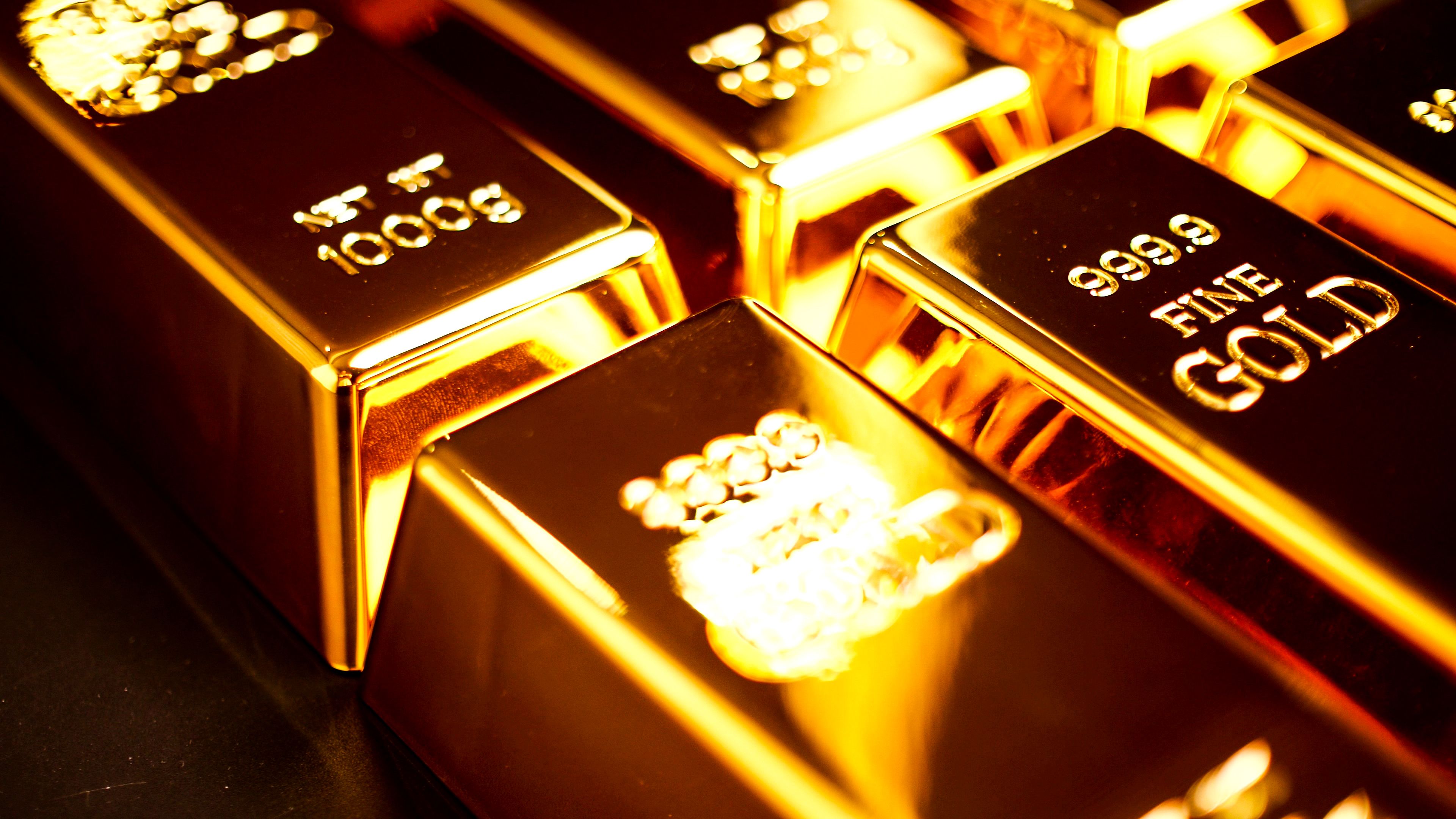
Gold has recently surged past the critical $5,000 per ounce level, marking a historic milestone for this precious metal. This significant breakout is not merely a speculative spike; it signals a structural repricing of gold, driven by a confluence of factors including institutional forecasts turning increasingly bullish and macroeconomic uncertainty that drives demand for safe-haven assets.
Understanding the Surge
The recent rally in gold prices can be attributed to several key drivers. Analysts point to central bank accumulation, long-term inflation hedging, and a weakening confidence in fiat currencies as primary catalysts behind this upward momentum. As global economic conditions become more uncertain, investors are increasingly turning to gold as a reliable store of value.
Central Bank Accumulation
Central banks, particularly in emerging markets, have been significant players in the gold market. Their purchases are not just a reaction to current economic conditions but a strategic move to diversify reserves away from traditional currencies. This accumulation creates a robust demand for gold, which in turn supports higher prices.
Inflation and Currency Confidence
With inflation rates rising globally, many investors view gold as a hedge against the erosion of purchasing power. As confidence in fiat currencies wanes, gold’s appeal as a tangible asset increases. This shift in perception is crucial, as it indicates a long-term trend rather than a fleeting moment of market enthusiasm.
Goldman Sachs Raises 2026 Gold Target to $5,400
Goldman Sachs has recently reinforced its bullish outlook by raising its 2026 gold price forecast to $5,400 per ounce. The investment bank cites sustained demand from both private investors and central banks as a primary factor in this adjustment.
The Implications of Sustained Demand
Goldman’s commodities research team emphasizes that recent buyers are unlikely to exit their positions quickly, establishing a higher price floor for gold over the medium term. Central bank purchases, particularly from emerging markets, are seen as a powerful structural force. Moreover, as global investors increasingly view gold as a strategic hedge against geopolitical risks and fiscal imbalances, the demand for this precious metal is expected to remain strong.
Anticipated Rate Cuts
The bank also notes that anticipated rate cuts in the coming years could further support gold prices by reducing real yields. Lower interest rates make gold more attractive compared to interest-bearing assets, thereby bolstering its demand.
David Roche: Gold Could Reach $6,000 on Central Bank Shift
Veteran strategist David Roche, President of Quantum Strategy, has offered one of the more assertive institutional forecasts, suggesting that gold prices could climb toward $6,000 per ounce if central banks continue reallocating reserves away from traditional currencies and into bullion.
Geopolitical Fragmentation
Roche argues that rising geopolitical fragmentation and declining trust in global monetary coordination are pushing policymakers toward tangible reserve assets. In this context, gold is not merely a hedge but a strategic monetary asset undergoing re-monetization. Countries are increasingly seeking to reduce their exposure to the U.S. dollar, further enhancing gold’s appeal.
Wall Street: Institutional Support for Higher Gold Prices
Sentiment across Wall Street remains firmly constructive regarding gold prices. Several major financial institutions are projecting prices well above historical norms over the next two years, reflecting a shift in long-term assumptions rather than short-term volatility.
Major Institutional Projections
UBS aligns closely with Goldman Sachs, projecting gold prices around $5,400 per ounce. Yardeni Research has outlined a bullish scenario targeting $6,000 amid persistent fiscal deficits and rising sovereign debt levels. Jefferies has published one of the most optimistic mainstream outlooks, suggesting gold could reach $6,600 per ounce if inflation risks and geopolitical instability remain elevated.
Growing Consensus
Collectively, these forecasts indicate a growing consensus that gold’s role in global portfolios is expanding, driven by both defensive positioning and long-term strategic allocation.
Robert Kiyosaki’s Long-Term Bull Case
Outside traditional Wall Street analysis, investor and author Robert Kiyosaki continues to promote an aggressively bullish stance on gold. In recent posts on social media, Kiyosaki has reiterated his belief that fiat currencies are entering a period of accelerated debasement, prompting investors to seek refuge in hard assets.
A Bold Target
Kiyosaki has publicly stated a long-term gold target as high as $27,000 per ounce, framing the metal as insurance against systemic financial risk rather than a conventional trade. While his projections may seem extreme compared to institutional estimates, they reflect a broader retail and alternative-investment sentiment supporting gold’s multi-year uptrend.
Conclusion
The recent surge in gold prices, surpassing the $5,000 per ounce mark, is a clear indication of the metal’s evolving role in the global economy. With institutional forecasts becoming increasingly bullish and macroeconomic uncertainties driving demand for safe-haven assets, gold is poised for a significant transformation. Whether it reaches $5,400, $6,000, or even $27,000, one thing is clear: gold’s allure as a strategic asset is stronger than ever. As investors navigate a complex financial landscape, gold stands out as a beacon of stability and value.



 English