


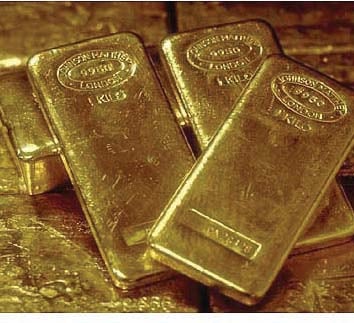
KARACHI: The dynamics of gold prices in Pakistan have recently taken a notable turn, with prices edging higher after a brief period of stability. On Wednesday, the price of gold per tola rose by Rs500, reaching Rs306,500, while the rate for 10 grams increased by Rs429 to Rs262,774, as reported by the All-Pakistan Gems and Jewellers Sarafa Association (APGJSA). This article delves into the factors influencing these changes, the broader economic context, and what it means for investors and consumers alike.
Recent Price Movements
After holding steady at Rs306,000 per tola on Tuesday, the rise in gold prices on Wednesday reflects a broader trend observed in international markets. The APGJSA indicated that the international price of gold also saw an increase, with rates climbing to $2,915 per ounce, which includes a $20 premium. This uptick marks a $5 increase from the previous day, signaling a renewed interest in gold as a safe-haven asset amid fluctuating economic conditions.
Influencing Factors
Adnan Agar, Director at Interactive Commodities, provided insights into the market’s behavior, noting that gold prices were range-bound during the day. The trading range fluctuated between $2,906 and $2,927, with the market currently hovering near its peak. Agar attributed the recent price increase to lower-than-expected inflation data from the United States, which may prompt the Federal Reserve to consider interest rate cuts. Such monetary policy shifts can significantly impact gold prices, as lower interest rates typically enhance the appeal of non-yielding assets like gold.
However, Agar also cautioned about the uncertainties stemming from ongoing tariff-related policies under former President Donald Trump, which could have repercussions for the US economy and, by extension, the global gold market. The interplay of these factors creates a complex landscape for investors.
Future Outlook
Looking ahead, Agar suggested that if gold prices manage to close above the $3,030-$3,035 mark, there is potential for a retest of previous all-time highs. Conversely, if prices fail to maintain above the $3,000 threshold, the market may continue to oscillate within the $2,900-$2,930 range, a pattern observed over the past 8-10 days. The upcoming market closing will serve as a crucial indicator for future trends, making it essential for investors to stay vigilant.
Currency Stability and Economic Indicators
In addition to gold prices, the stability of the Pakistani rupee against the US dollar is another critical factor to consider. On Wednesday, the rupee experienced a marginal slip of 0.01% in the interbank market, closing at 279.97, reflecting a slight depreciation of 2 paisa against the dollar. This stability is vital for maintaining investor confidence and can influence gold prices, as a weaker rupee typically makes gold more expensive for local buyers.
Moreover, the recent auction of Pakistan Investment Bonds (PIB) by the State Bank of Pakistan (SBP) revealed a significant shortfall in raised funds. The SBP managed to raise only Rs15.8 billion against a target of Rs350 billion, despite receiving bids worth Rs476 billion. The rejection of all bids for the 2-year and 3-year bonds, coupled with an unchanged cut-off yield for the 5-year bond and a slight decline in the 10-year bond yield, indicates a cautious approach from investors amid prevailing economic uncertainties.
Conclusion
The recent fluctuations in gold prices in Pakistan highlight the intricate relationship between local and international markets, influenced by economic indicators, monetary policy, and geopolitical factors. As gold continues to be a favored asset for investors seeking stability, understanding these dynamics becomes crucial. With the rupee’s stability and the outcomes of upcoming market trends, stakeholders in the gold market must remain informed and adaptable to navigate the evolving landscape effectively.



 English
