


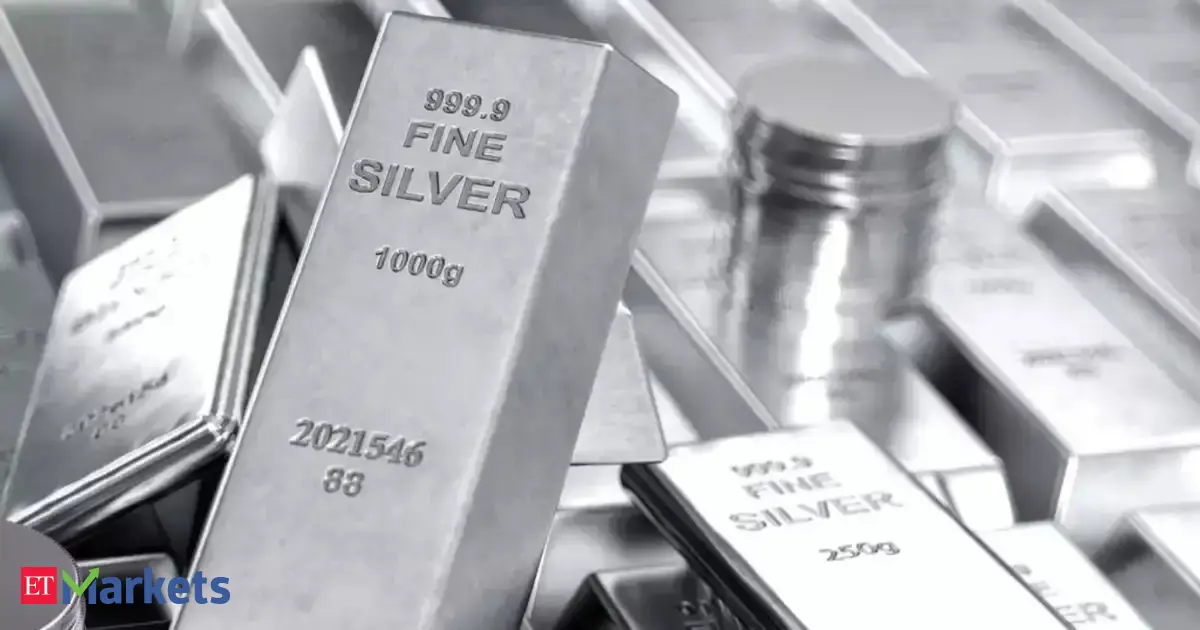
On January 7, silver prices opened in the red and extended their losses, sliding approximately 2%, or Rs 5,511, to trade around Rs 2,53,300 per kilogram on the Multi Commodity Exchange (MCX). This decline follows a remarkable rally in 2025, during which silver prices surged by as much as 147%. As investors take profits after a recent one-week high, the question arises: what should investors do next?
Current Market Dynamics
Ponmudi R, CEO of Enrich Money, notes that MCX Silver is currently trading near Rs 2,58,836, maintaining a bullish channel. He emphasizes that every pullback has attracted aggressive buying interest. “Holding above Rs 2,55,000 keeps the upside momentum firmly intact,” he explains. A sustained strength above Rs 2,59,000 could lead to a swift move towards Rs 2,64,000 to Rs 2,75,000. Meanwhile, the Rs 2,55,000 to Rs 2,52,000 range remains a crucial accumulation zone.
The recent rally in silver prices has been largely driven by strong safe-haven demand amid heightened global tensions. The U.S. capturing Venezuela’s president has added to the uncertainty, while President Biden’s renewed push for control over Greenland has intensified frictions with the European Union. Investors are now closely monitoring upcoming U.S. payroll data for insights into the Federal Reserve’s interest rate outlook.
A Balanced Approach for Investors
For those already holding silver, experts maintain a broadly positive outlook. Factors such as global monetary easing, geopolitical uncertainty, and structural demand continue to support silver’s appeal. However, after the spectacular rally of 2025, a balanced approach is advisable. Investors are encouraged to book partial profits to lock in gains while maintaining core holdings as a hedge against volatility and inflation.
Hareesh V of Geojit Investments Ltd. suggests that with strong momentum, silver prices could test the $100 per ounce level in 2026. He cites technical breakouts, structural supply deficits, and surging demand from green technology and industrial sectors as key drivers. While consensus forecasts cluster in the $70 to $90 range, multiple bullish scenarios envision silver reaching, or even exceeding, $100 if macroeconomic conditions remain favorable.
Understanding Silver’s Volatility
Silver is known for its higher volatility, primarily due to its strong link to industrial demand across various sectors, including manufacturing, electronics, and clean energy. Ross Maxwell of VT Markets points out that this characteristic gives silver a more aggressive upside potential during periods of strong economic growth or reflation. However, it also exposes silver to sharper corrections during economic slowdowns compared to gold.
InCred Equities suggests that silver is likely to remain bullish over the medium to long term, despite intermittent volatility. Key drivers include sustained central bank purchases and ETF demand, which continue to absorb physical supply. Geopolitical risks and economic uncertainty further underpin silver’s safe-haven appeal. Strong industrial demand and persistent supply deficits, particularly from technology and renewable energy sectors, add to the constructive outlook.
Conclusion: Navigating the Silver Market
As silver prices experience a pullback after an extended rally, consolidation and periodic corrections are natural. Investors should remain vigilant and prepared for short-term fluctuations before fresh trends are established. The current market dynamics suggest that while silver may face challenges, its long-term outlook remains promising.
For those considering investments in silver, it’s crucial to stay informed about market trends and geopolitical developments. A prudent strategy would involve balancing profit-taking with maintaining core holdings to navigate the complexities of the silver market effectively.
Disclaimer: Recommendations, suggestions, views, and opinions expressed by experts are their own and do not represent the views of The Economic Times.



 English