


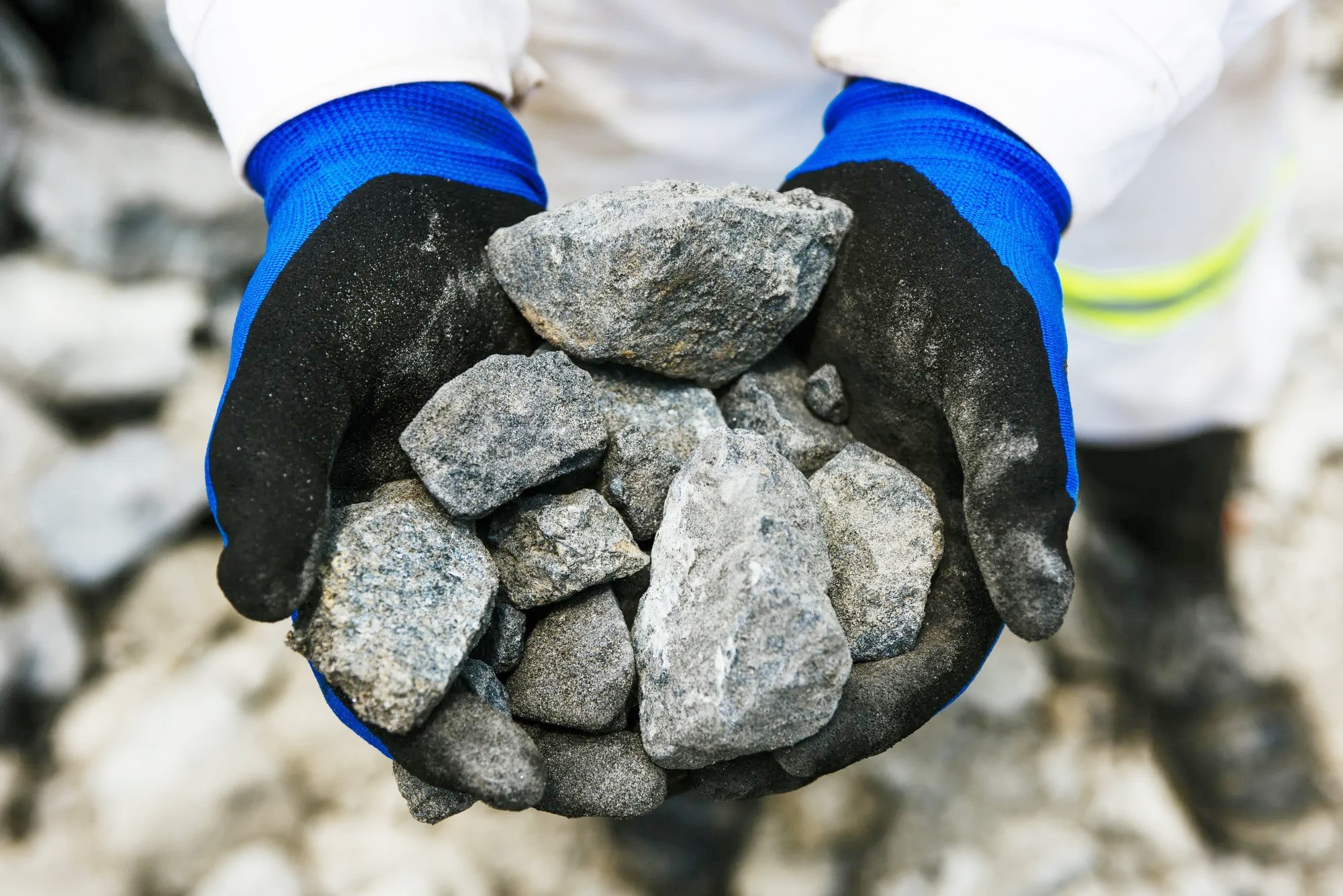
Africa is endowed with approximately 30% of the world’s green-transition minerals, including essential metals like cobalt, lithium, platinum, and copper. These minerals are crucial for powering green technologies such as solar panels, wind turbines, electric vehicles, hydrogen systems, and battery storage. However, the continent faces a significant challenge: by exporting these minerals largely unprocessed, it forfeits the opportunity to integrate more deeply into the global supply chains that drive the green economy. This issue was a focal point during the recent B20 meetings in Johannesburg, where leaders discussed strategies to enhance local processing and capture more value at home.
Strategic Control of Natural Resources
Kgosientso Ramokgopa, South Africa’s Minister of Electricity and Energy, emphasized the need for Africa to take greater strategic control over its natural advantages in critical minerals. During a fireside chat, he stated, “We have everything that is required for us to be able to support the decarbonisation agenda.” He highlighted the continent’s significant mineral and renewable energy endowments, particularly in solar and wind potential along its coastlines, as well as vast uninhabited land that could facilitate mining and processing activities.
However, Ramokgopa pointed out that inadequate energy supply and weak infrastructure are major obstacles to local value addition. He also noted that a shortage of skilled labor poses a considerable challenge. “You need electricity, you need water for you to be able to mine these minerals,” he said, stressing the importance of high-end skills for effective beneficiation.
The Role of Private Investment
To overcome these challenges, Ramokgopa appealed to the private sector for co-investment in projects while urging policymakers to provide the necessary regulatory clarity to instill confidence. “There are huge opportunities provided we can orchestrate policies and interventions working with the private sector,” he remarked. He acknowledged that the capital required for this endeavor primarily resides in the private sector, and there is a growing alignment on this issue across Africa.
Simon Baloyi, President and CEO of Sasol Limited, echoed Ramokgopa’s sentiments, emphasizing the urgent need for massive investments not only in power generation but also in transmission infrastructure. He noted that value addition currently accounts for only 5-10% of total mineral exports due to a lack of energy access. Baloyi stressed the importance of community engagement in energy projects, stating, “We should step back and ask why we want to do this? It’s for people.”
A Just Transition for South Africa
Ramokgopa insisted that a just transition must prioritize the needs of local citizens over international demands. He argued that the pace and scale of the transition must be affordable for the country. While acknowledging coal’s ongoing role in South Africa’s energy system, he pointed out that renewable energy is rapidly expanding its share. “Our projection is by 2039 coal will be 27%, wind about 35%, and PV about 27%,” he noted, indicating a significant pivot towards renewables while maintaining coal as a backbone.
Strengthening Grassroots Exploration
Catherine Raw, Chief Development Officer at BHP, highlighted the importance of grassroots exploration in growing Africa’s mining sector from the bottom up. She advocated for robust exploration initiatives to build a pipeline of viable deposits and enhance local industry capacity. BHP’s “explore programme” aims to support grassroots exploration by providing funding and technical expertise, thereby fostering a sustainable mining ecosystem.
Ending Commodity Overdependence
Yusuf Daya, Afreximbank’s director for AU/AfCFTA Relations and Trade Policy, underscored the critical role of African development finance institutions in promoting value addition for critical minerals. He pointed out that many African countries remain overly dependent on a narrow range of commodities, making them vulnerable to global market fluctuations. Daya emphasized the need for a shift towards local value addition, stating, “We have to make sure we move up the value chain.”
The Case for Clustered Industrial Zones
Agit Singh, executive head of processing operations at Valterra Platinum, argued that clustered industrial zones could significantly boost local value addition of critical minerals. By grouping mines to share infrastructure and services, operators can reduce costs and achieve economies of scale. Singh noted that coordinated materials supply within clusters can enhance efficiency and security for both mining companies and suppliers.
Conclusion
Africa stands at a crossroads in its journey towards sustainable development through the responsible management of its green-transition minerals. By enhancing local processing capabilities, attracting private investment, and fostering community engagement, the continent can harness its natural resources to drive economic growth and energy transition on its own terms. The discussions at the B20 meetings in Johannesburg serve as a crucial step in this direction, highlighting the need for strategic collaboration among governments, the private sector, and local communities. As Africa pivots towards a greener future, the potential for a more integrated and resilient economy is within reach.



 English